Everyday food choices can be varied, satisfying, and practical without following an elaborate set of rules. This guide explains how different food groups contribute to balanced meals, with ideas inspired by familiar ingredients and everyday kitchens.
What Is a Balanced Diet?
A balanced diet is an overall way of eating that provides different nutrients from a range of foods. It is not a single perfect plate or a list of ingredients that everyone must eat. Instead, it involves considering the combination of foods you enjoy across meals and over time. Staple foods, vegetables, fruit, protein-rich foods, and sources of fats all contribute something different. Eating patterns may also change with daily activity, available ingredients, household needs, and personal preferences.
The word balance is useful because it allows flexibility. A lunch built around rice and fish can look different from a lunch built around tofu and noodles, yet both can include vegetables and other food groups. The most helpful question is often not whether a particular ingredient is allowed, but what else could be added to make a meal varied and satisfying. This mindset makes healthy eating easier to apply to ordinary life.
Understanding the Main Food Groups
Vegetables and fruits contribute fiber, vitamins, minerals, color, and flavor. Dark leafy greens, carrots, tomatoes, papaya, and guava are examples that can be used in different combinations. Grains and other starchy foods, including rice, potatoes, oats, and corn, supply carbohydrate energy. Whole-grain options also contribute dietary fiber, but familiar refined staples can still appear in a varied eating pattern.
Protein-rich foods include fish, eggs, chicken, tofu, tempeh, lentils, and beans. They provide protein as well as other nutrients that differ between foods. Nuts, seeds, avocado, and appropriate vegetable oils contribute dietary fats. Water is another practical part of everyday eating. Rather than requiring every food group at every snack, aim for variety across your usual meals and pay attention to how individual foods work together.
The everyday plate
Four questions to make meals more complete
Creating a Balanced Everyday Plate
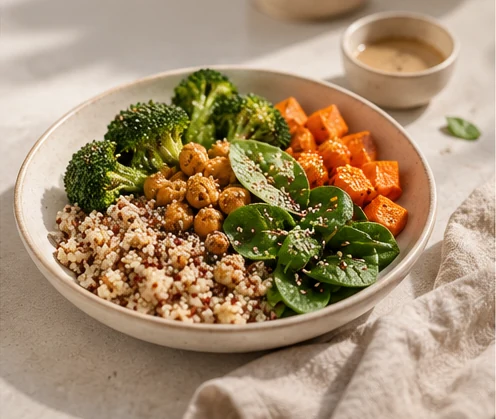
One helpful visual approach is to start with vegetables, then add a source of carbohydrate and a protein-rich food. This is a planning aid, not a rule about exact measurements. A rice bowl might contain cooked spinach, cucumber, grilled fish, and tempeh; a noodle dish could be paired with tofu, greens, and a piece of fruit. Ingredients and serving amounts naturally depend on hunger, preferences, and what is available.
Cooking methods can bring variety as well. Steaming fish, sautéing vegetables with a little oil, roasting tofu, or preparing a simple soup can create satisfying combinations without complex recipes. Use herbs, citrus, ginger, garlic, and other familiar seasonings for flavor. If a meal lacks vegetables, add a side dish; if it has little protein, include eggs, beans, or tempeh. Think in terms of adjustments rather than starting again from scratch.
Choosing a Variety of Nutritious Ingredients
Variety matters because different foods bring different nutrient profiles. A week that includes leafy greens, orange vegetables, beans, fish, and tropical fruit has more range than one built around exactly the same ingredients every day. You do not need to buy an expensive collection of specialty foods to achieve this. Traditional markets and neighborhood shops often offer seasonal vegetables and fruits that are both familiar and adaptable.
When shopping, choose a small mix of ingredients that can be used in several dishes. For example, cabbage can be added to stir-fries and soup, while tofu can be cooked with vegetables or served beside rice. Bananas can be eaten with breakfast or as a snack. Frozen or shelf-stable options can also be convenient. Washing, storing, and cooking food in ways that suit your schedule can help reduce waste and support a more varied routine.
Practical Examples of Balanced Meals
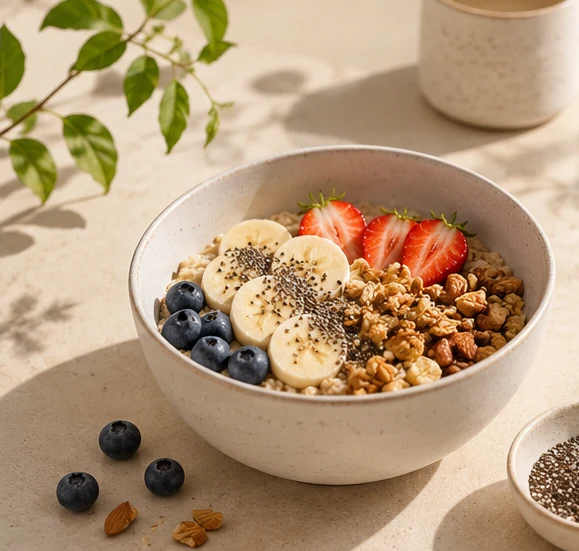
For breakfast, consider oats with yogurt and sliced banana, or rice with an egg and lightly cooked greens. Lunch could be brown or white rice with grilled fish, cucumber, sautéed spinach, and fresh fruit. Dinner might feature tofu and tempeh with mixed vegetables, a rice portion, and a simple soup. These are examples rather than fixed menus; swap ingredients according to taste, availability, or household habits.
A balanced meal can also be assembled from leftovers. Combine cooked rice from the previous day with vegetables, an egg, and some tempeh for a quick lunch. Use a bowl of lentil or bean soup alongside bread and fresh produce. For snacks, fruit, plain yogurt, nuts, or roasted beans can offer different textures and nutrients. The goal is to make meals satisfying and diverse without turning ordinary eating into a complicated project.
Common Mistakes in Everyday Meal Planning
A frequent planning difficulty is focusing on a single nutrient while overlooking the overall meal. Choosing only a protein source, or avoiding a staple food entirely, does not automatically create variety. Another challenge is creating an ambitious menu that requires too many ingredients and too much cooking time. A detailed plan is less useful when it cannot fit the actual week, available cooking equipment, or shared family meals.
It can also be easy to overlook hydration, vegetables, or the foods already in the pantry. Instead of replacing every meal at once, identify a small gap you can reasonably address. Keeping a few flexible staples ready may be more practical than following a long list of separate recipes. Finally, resist judging an entire eating pattern by one meal. Look at the variety and balance of choices across days.
Simple Ways to Maintain a Balanced Diet
Build a short list of meals you genuinely enjoy, then identify simple ways to vary them. Keep two or three protein options on hand, rotate vegetables when shopping, and choose fruit that is easy to prepare. Planning a few core ingredients can make spontaneous meals much easier. If time is limited, preparing rice, washing greens, or cooking beans in advance may remove a step from busy evenings.
Notice how your routine changes during workdays, weekends, holidays, and travel. Flexibility is part of planning: a balanced lunch from a small local food stall can be just as practical as a meal cooked at home. Choose reasonable improvements and revisit them over time. Eating well becomes more manageable when you work with familiar food, cultural preferences, and your real-life schedule.
Make Variety Affordable and Repeatable
Food variety does not have to mean buying a different ingredient for every meal. A useful starting point is to choose two vegetables, one fruit, a flexible protein, and a familiar grain for several days. Cabbage, carrots, green beans, and leafy greens can be used in soups, stir-fries, or steamed side dishes. Eggs, tofu, tempeh, and beans can be prepared with different herbs and sauces, creating new flavors from the same shopping basket.
Budget planning becomes easier when you compare foods by how many meals they can support rather than choosing only by the price of one package. A bunch of greens that can serve lunch and dinner, or a container of cooked beans used across several dishes, may offer considerable practical value. Seasonal produce, frozen ingredients, and simple pantry staples all have a place. Fresh ingredients are lovely, but an elaborate fresh-only menu is not required for a varied pattern of eating.
Build a practical shopping basket
- Choose two or three vegetables that can be prepared in more than one way.
- Include at least one ready-to-use protein option, such as eggs or tofu, for busier days.
- Keep familiar carbohydrate staples available, then rotate them when it suits your budget.
- Select fruit that you enjoy and can store comfortably for the next few days.
- Use herbs, chili, citrus, garlic, or ginger to vary flavor without changing the entire meal.
Storage is part of good meal planning, too. Put more perishable vegetables and cooked dishes at the front of the plan, wash produce when it makes sense for your routine, and refrigerate leftovers promptly. Labeling cooked food with the date it was made helps household members use it before quality declines. Frozen portions can be handy when the week becomes unexpectedly busy.
How to Adapt a Meal You Already Enjoy
Think of a favorite everyday meal as the starting point, not a problem to be replaced. If it is mostly rice with a small side dish, add cooked greens and a protein that you enjoy. If you usually eat noodles with vegetables, try adding a boiled egg, tofu, or a few beans. If a breakfast of toast leaves you hungry soon afterward, adding yogurt, fruit, or eggs may make it feel more substantial. The aim is to notice what a meal offers and decide whether a small addition would be helpful.
When eating away from home, look for reasonable combinations instead of searching for the one ideal option. Rice with fish and vegetables can be a practical choice; so can soup, noodles with protein and greens, or a selection of shared dishes. A single meal does not need to carry every nutrient or represent an entire week. Variety can develop across breakfast, lunch, dinner, and the days that follow.
Finally, take stock of what is genuinely enjoyable. Meals that satisfy your appetite and reflect your preferences are easier to return to. As you become familiar with combining food groups, the process feels less like following rules and more like understanding your own kitchen. Balanced eating is a skill built through everyday decisions, not a test with one correct answer.
Conclusion
A balanced diet is best understood as a flexible pattern that includes different food groups and a variety of nourishing ingredients. Vegetables and fruits, staple foods, protein sources, fats, and water each have a useful place. Combining them thoughtfully can make familiar meals more varied without requiring special products or a rigid eating schedule.
Start with a meal you already eat. Add a vegetable, rotate a protein source, or include fruit when it suits your routine. These small adjustments build practical food knowledge and make balanced eating feel less abstract. For an introduction to the roles of different nutrients, explore the related macronutrients guide in the Good Food Fieldnotes journal.